

When Is AI Research Good Enough to Act On?
TL;DR
AI research is good enough to act on when the evidence underneath it is proportionate to the decision you need to make. For low-stakes exploration, AI alone may be enough. For decisions involving significant investment, reputation, product strategy or claims about how people will behave, human evidence may still be needed.
We call the gap between what AI can plausibly infer about people and what we have enough evidence to know about their lived reality the Human Reality Gap.
The practical answer is not always to commission more research. It is to identify the minimum responsible evidence needed for the decision: sometimes none, sometimes a small amount of human validation, and sometimes a return to real people before moving forward.

Why Customer Research Often Fails to Influence Decisions
TL;DR: Why Does Customer Research Fail to Influence Business Decisions?
Customer research only creates value when it changes a decision. Yet many research projects fail to influence products, customer experience or strategy because they answer the wrong questions, confirm existing assumptions or never become part of the decision-making process.
Decision-ready research starts with the business challenge, combines multiple sources of evidence and translates findings into clear actions. Rather than producing reports that sit on a shelf, it helps organisations challenge assumptions, reduce uncertainty and make better decisions before committing significant time, money or resources.

Stakeholder Intelligence: How to Turn Research Into an Ongoing Decision-Making Asset
TL;DR: What Is a Stakeholder Intelligence Advisor and Why Might Companies Need One?
Companies invest significant amounts in understanding customers, employees, audiences and other stakeholders, yet much of that intelligence is still created project by project. Research is commissioned to answer a particular question, findings are delivered and applied, and valuable knowledge then becomes scattered across presentations, departments, suppliers and individual people's memories.
A Stakeholder Intelligence Advisor provides a different model. One senior adviser develops an ongoing understanding of the organisation, its stakeholders and the evidence it has accumulated, giving leadership a trusted person to call when new questions arise without automatically having to mobilise another research or consulting project.
Behind that relationship sits a wider intelligence capability, combining existing company knowledge, human research, cultural and behavioural understanding and specialist expertise when required. The aim is to make what an organisation already knows increasingly valuable, while recognising when changing circumstances or higher-risk decisions require a return to real people.
In other words, research should compound, not expire.

What Are the Main Types of Customer Research? How to Choose the Right Approach for Better Business Decisions
TL;DR: What Are the Main Types of Customer Research and How Do You Choose the Right One?
Customer research is not a single methodology but a family of approaches designed to answer different business questions. Exploratory, behavioural, experience, cultural and validation research each serve a different purpose, from uncovering unmet needs and understanding customer behaviour to improving experiences, strengthening brand relevance and reducing the risk of major investments.
Choosing the right approach starts with the decision you need to make, not the research method itself. In practice, the strongest research programmes often combine multiple approaches, building a more complete understanding of customers and giving organisations greater confidence to innovate, invest and act.

Customer Research & Customer Behaviour Research: How to Understand Customers and Their Decisions
TL;DR: What are Customer Research & Customer Behaviour Research?
Customer research helps organisations understand the people behind their data: what customers need, how they experience products and services, what shapes their choices, and where friction or opportunity sits across the journey. Customer behaviour research adds another layer by looking more closely at what people actually do, the habits and decisions they develop, and the real-world factors influencing those behaviours.
Used together, they help organisations move beyond surface metrics and assumptions. They can reveal why a product is struggling to gain traction, where an experience is breaking down, why an audience is drifting away, which needs are not being met, and where new opportunities may be emerging. This makes customer research relevant well beyond insight teams, informing product development, customer experience, brand strategy, innovation and major investment decisions.
The value of the research ultimately lies in the clarity it creates. By combining evidence about what customers say, what they do and the wider context shaping those behaviours, organisations can make decisions with a more realistic understanding of the people they are trying to serve.
The Boardroom Guide to Buying Better Research in the Age of AI
TL;DR: How should boards buy research in the age of AI?
Boards should evaluate research by whether it reduces uncertainty around a real decision, not by the size of the dataset, the polish of the presentation or the speed of the AI tools used to produce it.
AI can make research faster, more accessible and more useful. But when it is built on shallow questions, generic assumptions, professional panellists or unverified synthetic insights, it can create false confidence and scale weak understanding into costly strategic decisions.
This guide explains how Chairs, Board Members and senior leaders can identify weak research, brief projects around decisions and risk, choose the right methodologies, and ensure findings translate into action. Its central framework moves from insight, to meaning, to decision, helping organisations protect investment, reputation and strategic judgment while building reusable intelligence grounded in real human behaviour.

What’s Wrong with Luxury Fashion and How to Fix It
TL;DR: Insights on luxury fashion, backed by years of observation of the field.
Luxury fashion is losing consumer trust because prices have risen while quality, craftsmanship, exclusivity and customer experience are perceived to have declined. Overproduction, constant creative-director changes, indiscriminate influencer marketing and trend-chasing have further diluted brand identity and made luxury feel increasingly mass-market.
To rebuild relevance, luxury brands need to return to the human and cultural foundations of luxury: exceptional quality, visible craftsmanship, transparency, distinctive storytelling, selective influence and personalised experiences before, during and after purchase. They must also understand a changing generation of Very Important Customers, including younger inherited-wealth consumers and new wealth created through technology, investment and entrepreneurship.
Drawing on ethnographic and netnographic research with luxury consumers and Cultural Opinion Leaders, this article explains what is going wrong, why it matters and what luxury brands should do next.
What Can 20 Winning Campaigns Based on Consumer Insights Teach Us?
TL;DR: What can successful campaigns teach us about consumer insights?
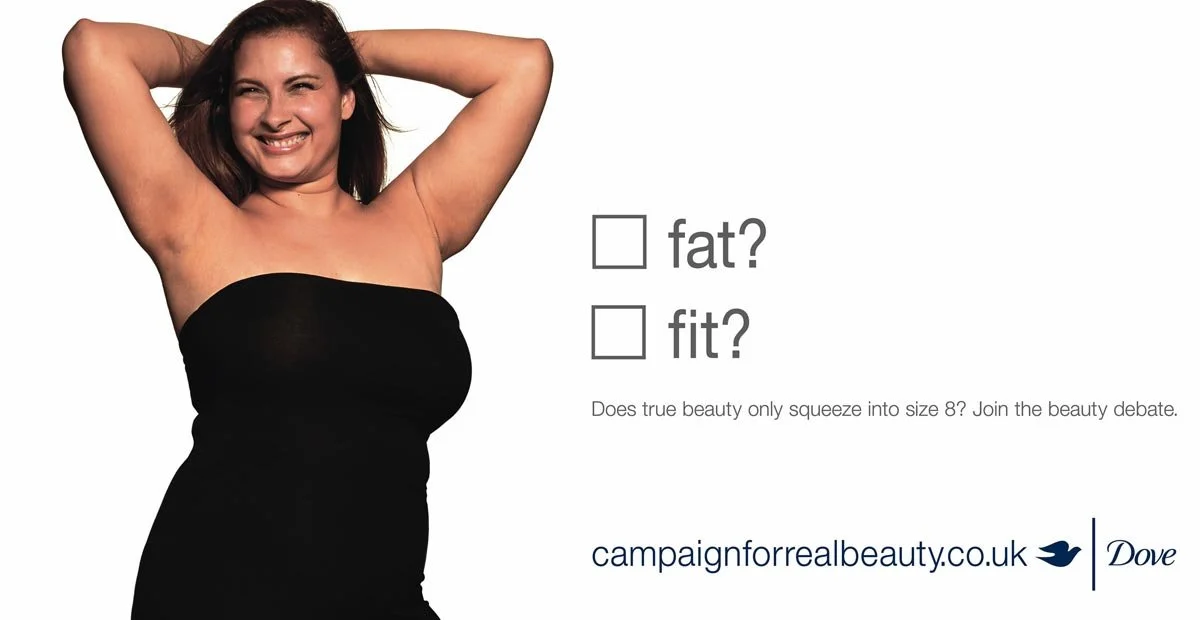
The best marketing and advertising campaigns use consumer insights to identify a meaningful human truth and turn it into a clear strategic action. Consumer insights are not simply statistics or observations. They explain why people behave as they do, what matters to them and how a brand can respond in a relevant and commercially useful way.
This article reverse-engineers 20 successful consumer insight campaigns from brands including Dove, Spotify, Snickers, Durex, Pret, Channel 4 and American Express. Together, the case studies show how consumer research can shape advertising, product innovation, brand positioning, customer experience and even social movements.
The recurring lesson is simple: begin with the real business problem, understand the cultural and behavioural forces behind it, translate the insight into a creative response, test the idea and use the results to guide the next decision.